Calculate Your Body Mass Index (BMI)
- BMI Calculator
Body mass index (BMI) is a measure of body fat based on height and weight that applies to adult men and women. Use the tool below to compute yours.
- Enter your weight and height using standard measures.
- Select “Compute BMI” and your BMI will appear below.
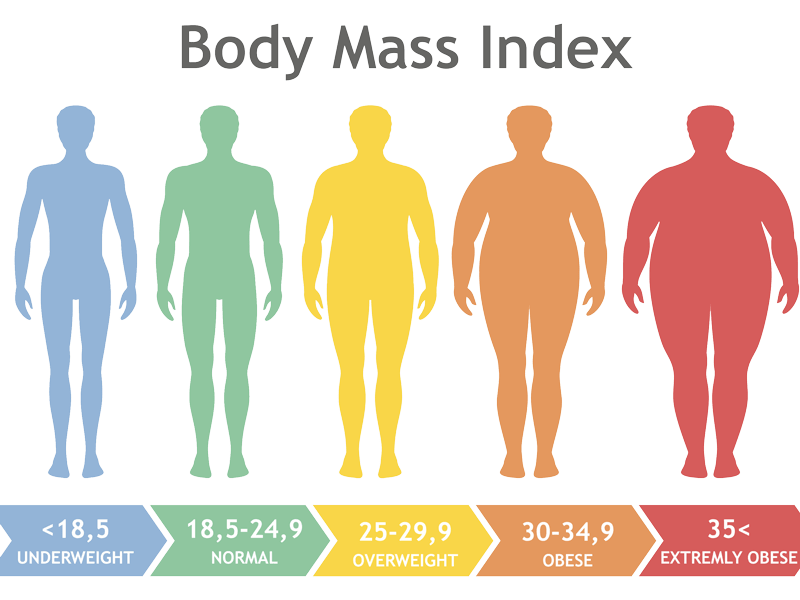
BMI Categories:
Underweight | BMI is less than 18.5 |
Normal weight | BMI is between 18.5–24.9 |
Overweight | BMI is between 25–29.9 |
Obesity | BMI of 30 or greater |
Effective ways to help reduce BMI (Body Mass Index)
It’s essential to combine a balanced diet with regular physical activity for optimal results. Always consult with a healthcare professional before making significant changes to your lifestyle.
1. Healthy Eating Habits:
- Balanced Diet: Consume a well-balanced diet rich in fruits, vegetables, whole grains, lean proteins, and healthy fats.
- Portion Control: Be mindful of portion sizes to avoid overeating. Use smaller plates and bowls.
- Limit Processed Foods: Reduce intake of processed foods, sugary snacks, and beverages high in calories.
2. Regular Exercise:
- Cardiovascular Activities: Engage in aerobic exercises like walking, jogging, swimming, or cycling for at least 150 minutes per week.
- Strength Training: Include resistance training to build muscle mass, which boosts metabolism and burns more calories.
- Consistency: Aim for regular exercise routines, at least 3-4 times a week.
3. Hydration:
- Water Intake: Stay hydrated by drinking plenty of water throughout the day. Sometimes, feelings of hunger can actually be signs of dehydration.
4. Quality Sleep:
- Adequate Rest: Ensure you get 7-9 hours of sleep per night. Lack of sleep can disrupt hormones related to hunger and stress, leading to weight gain.
5. Stress Management:
- Relaxation Techniques: Practice stress-reducing activities such as yoga, meditation, or deep breathing exercises.
- Balanced Lifestyle: Find a healthy work-life balance. Chronic stress can lead to overeating and weight gain.
6. Social Support:
- Support System: Surround yourself with supportive friends and family who encourage healthy lifestyle choices.
- Accountability: Consider joining fitness classes or finding a workout buddy to stay motivated and accountable.
7. Regular Health Check-ups:
- Consult Professionals: Regularly visit healthcare providers, nutritionists, or fitness trainers for personalized guidance and monitoring.
8. Mindful Eating:
- Mindful Practices: Eat slowly, savor each bite, and pay attention to your body’s hunger and fullness cues.
- Emotional Eating: Be mindful of emotional eating triggers and find alternative ways to cope with emotions.
9. Set Realistic Goals:
- Realistic Targets: Set achievable, realistic, and measurable goals. Celebrate small victories to stay motivated.
- Long-Term Approach: Focus on adopting a healthy lifestyle rather than opting for quick-fix diets or extreme measures.
10. Educate Yourself:
- Nutritional Knowledge: Educate yourself about nutrition. Understanding the nutritional value of food can help in making healthier choices.